%20Do%20in%20Your%20Writing%20Workflow.jpg)
What AI Can (and Can’t) Do in Your Writing Workflow: A Practical Guide for Creators
AI has quickly become a powerful presence in modern writing workflows—but its growing capabilities have also created confusion about where it truly adds value and where it falls short. As more creators adopt AI writing tools for drafting, editing, and ideation, the question is no longer whether to use AI, but how to use it responsibly and effectively.
While AI can accelerate production, surface ideas, and reduce repetitive effort, it cannot replace human judgment, emotional nuance, or creative intent. Understanding these boundaries is essential for writers who want to improve efficiency without sacrificing originality or authenticity.
This guide takes a practical look at what AI can—and can’t—do within your writing workflow. By clearly defining its strengths, limitations, and best-use scenarios, you’ll be better equipped to integrate AI as a supportive tool while preserving the human elements that make great writing resonate.

Understanding AI Writing Tools
AI writing tools are sophisticated software applications designed to assist writers by enhancing their productivity and creativity. These tools leverage AI writing technologies to analyze text, suggest improvements, and even generate content based on provided prompts. Their primary purpose is to streamline the AI writing workflow for creators, helping them overcome writer's block, refine their style, or generate ideas quickly.
Popular examples include tools that focus on grammar and style checking, as well as SEO-focused platforms like OptiWrite AI, which are designed to support high-quality marketing and long-form content workflows. By integrating these technologies into their processes, writers can save time, improve content quality, and explore new creative avenues without sacrificing consistency or performance.
Types of AI Writing Tools
AI writing tools can be broadly categorized into three main types: content generation, optimization, and editing tools.
- Content Generation Tools: These AI writing assistants are designed to create original content based on prompts. General-purpose AI models can generate blog posts, marketing copy, or social media content, helping creators brainstorm ideas and reduce writer’s block. SEO-focused platforms like OptiWrite AI extend this by embedding content generation into structured, publish-ready workflows.
- Optimization Tools: These tools focus on enhancing existing content by improving SEO, structure, and readability through data-driven recommendations that align content with search intent.
- Editing Tools: These tools help refine writing by improving grammar, style, and clarity. Examples include OptiWrite AI and resources like Purdue OWL’s writing lab, which provide feedback and suggestions to elevate content quality.
Choosing the right combination of these tools can significantly enhance your AI writing workflow.
AI Writing Applications Across Industries
AI writing tools for creators and marketers have transformed workflows across various industries, offering enhanced efficiency and creativity. In marketing, for example, AI-powered content platforms enable teams to generate ad copy and social media posts quickly, helping maintain consistent messaging across campaigns.
Content creators benefit similarly; tools like Grammarly and OptiWrite AI harness AI to assist in refining prose, structuring ideas, and improving content quality. In education, AI writing applications help educators generate lesson plans and provide personalized feedback for students, showcasing their versatility. The publishing industry is also adapting, with AI supporting drafting, editing, and brainstorming for authors, helping overcome creative blocks and accelerate the writing process.
Overall, these applications demonstrate that AI writing tools are essential allies for productivity and innovation across a wide range of sectors.

What AI Can Do in Your Writing Workflow
Incorporating AI into your writing workflow can significantly enhance both efficiency and creativity. AI-powered writing software excels at generating content quickly, allowing creators to produce drafts and ideas at an impressive pace. This efficiency is particularly vital as market growth indicates increasing demand for content; in 2023, the U.S. real GDP per person reached an all-time high of $66,749, up 2.0% from 2022 (USAFacts, 2024). With such economic advancements, content creators can leverage these tools to keep pace with the evolving landscape.
Moreover, AI writing tools can assist in editing and proofreading, helping to eliminate grammatical errors and improve overall readability. By automating these time-consuming tasks, writers can focus on higher-level analytical thinking and creativity, ultimately enhancing the quality of their work. Embracing an AI writing workflow not only saves time but also enriches the creative process, allowing creators to explore new ideas and styles.
Enhanced Creativity and Inspiration
AI writing tools for bloggers offer a unique opportunity to spark creativity and inspiration during the writing process. These AI writing solutions help creators brainstorm ideas by suggesting themes, topics, or styles based on user input. For instance, a blogger might input a basic concept like "sustainable living" and receive a list of specific angles, such as "low-waste recipes" or "eco-friendly travel." This can lead to fresh content ideas that might not have otherwise emerged.
Additionally, many writers use AI to generate prompts or even first drafts, allowing them to overcome writer’s block. A fiction author might use AI to explore character backstories or alternative plot twists, broadening their narrative horizons. Whether you are drafting a novel, creating a marketing campaign, or developing a blog post, AI can serve as a dynamic partner in enhancing your creative workflow.
What AI Can’t Do: Limitations of AI Writing Tools
While AI writing tools for students and professionals offer numerous advantages, they also come with significant limitations. One major drawback is their inability to fully grasp complex emotional nuances. AI can generate text that appears empathetic on the surface, yet it lacks genuine emotional intelligence, which can lead to misinterpretations or insensitivity in tone.
Moreover, AI struggles with contextual cultural references. Each culture has its own set of norms, idioms, and values; without this understanding, AI-generated content may miss the mark or even cause offense. Additionally, creativity and originality remain challenges for these tools. While they can produce coherent and grammatically correct text, they often rely heavily on existing patterns and data, which can stifle innovation and unique voice.
Ultimately, while AI can enhance the writing workflow, it cannot replace the human touch necessary for truly impactful content.
Quality and Authenticity Concerns
While AI writing platforms offer efficiency and convenience, they often struggle with quality and authenticity. One common issue is the tendency of AI writing applications to misinterpret context, leading to awkward phrasing or incorrect information. For example, an AI might generate a blog post about "dogs" but mistakenly discuss "logs" due to a simple misunderstanding of the prompt. Such mix-ups not only diminish the quality of the content but can also erode the writer's credibility.
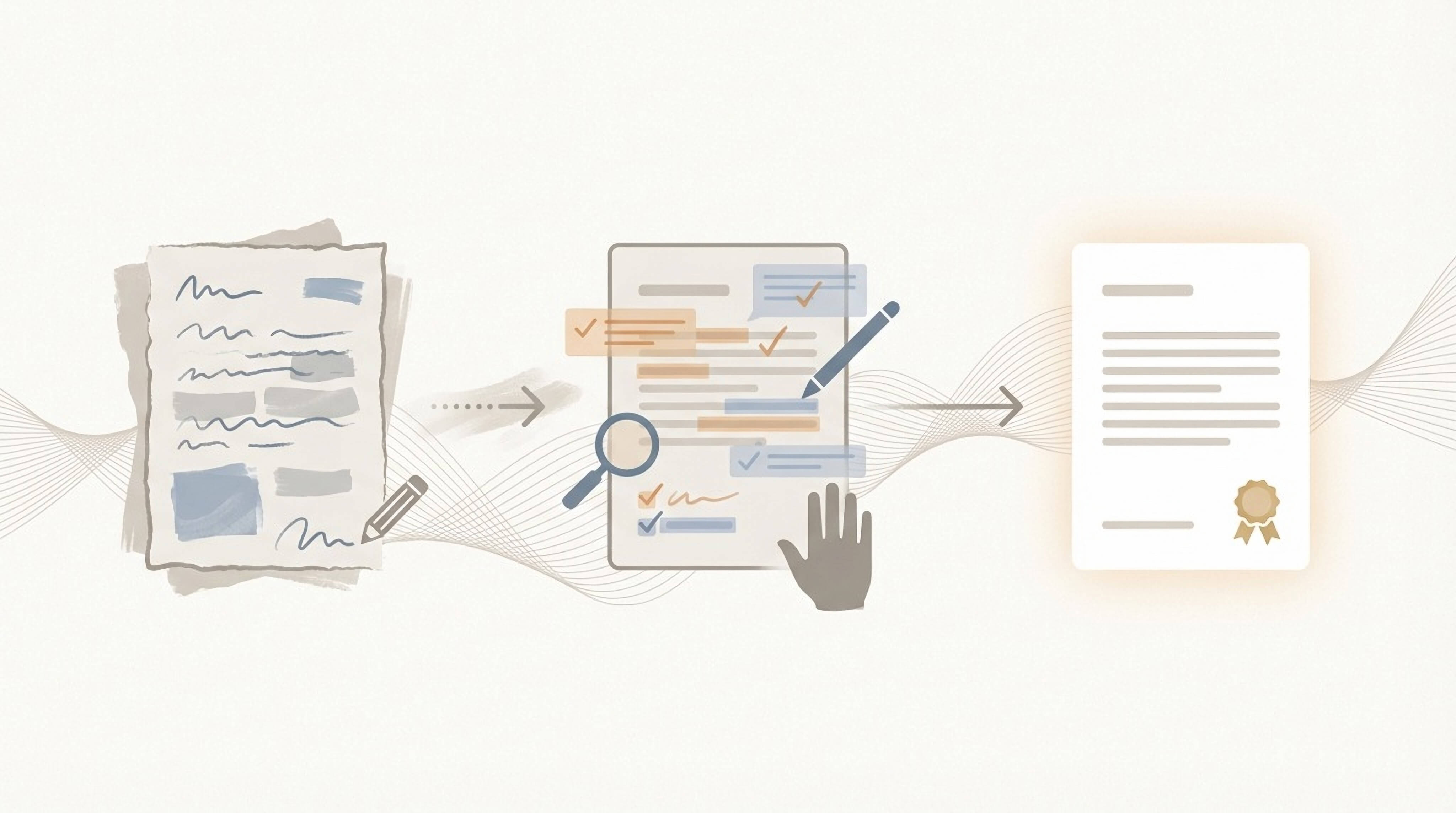
Moreover, AI-generated texts may lack the emotional nuance and personal touch that human writers naturally incorporate. This can result in content that feels sterile or generic, ultimately failing to engage the audience. As creators, it's crucial to refine and edit AI-generated content to ensure it meets high standards of quality and resonates authentically with readers.
Integrating AI into Your Writing Workflow
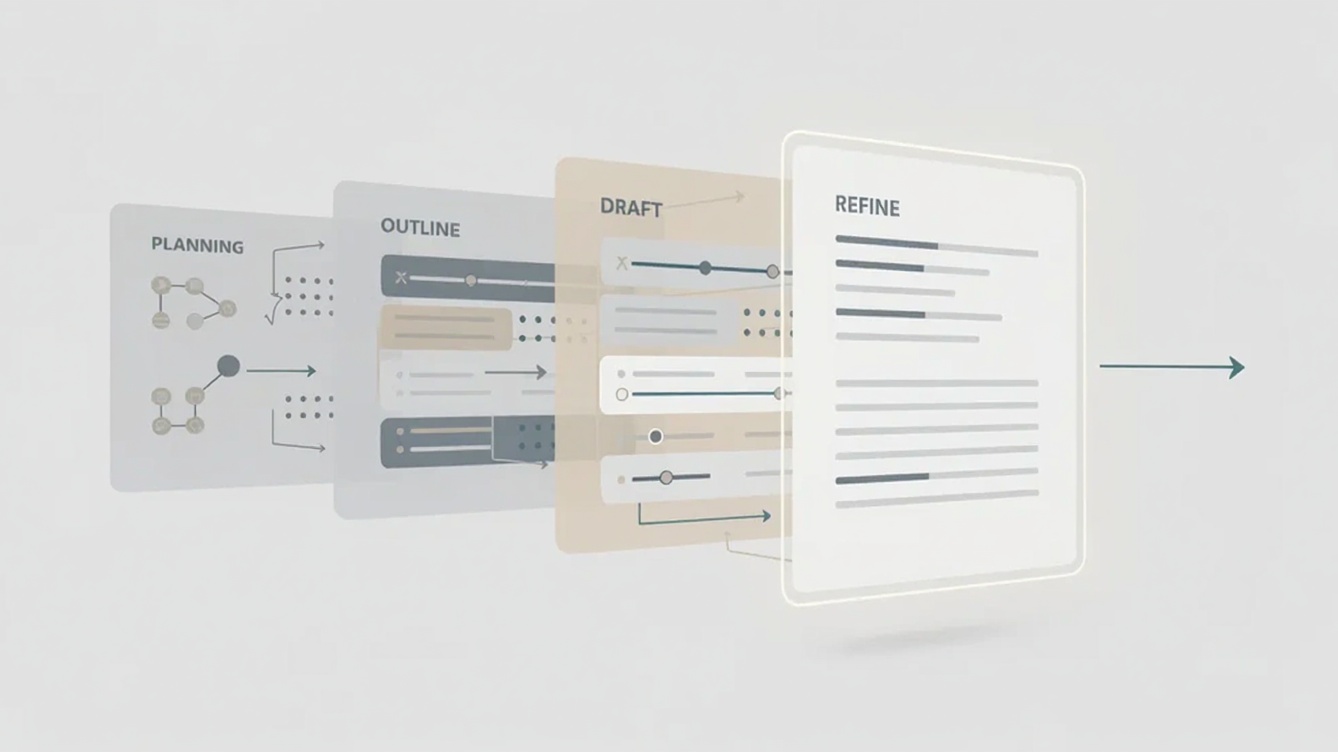
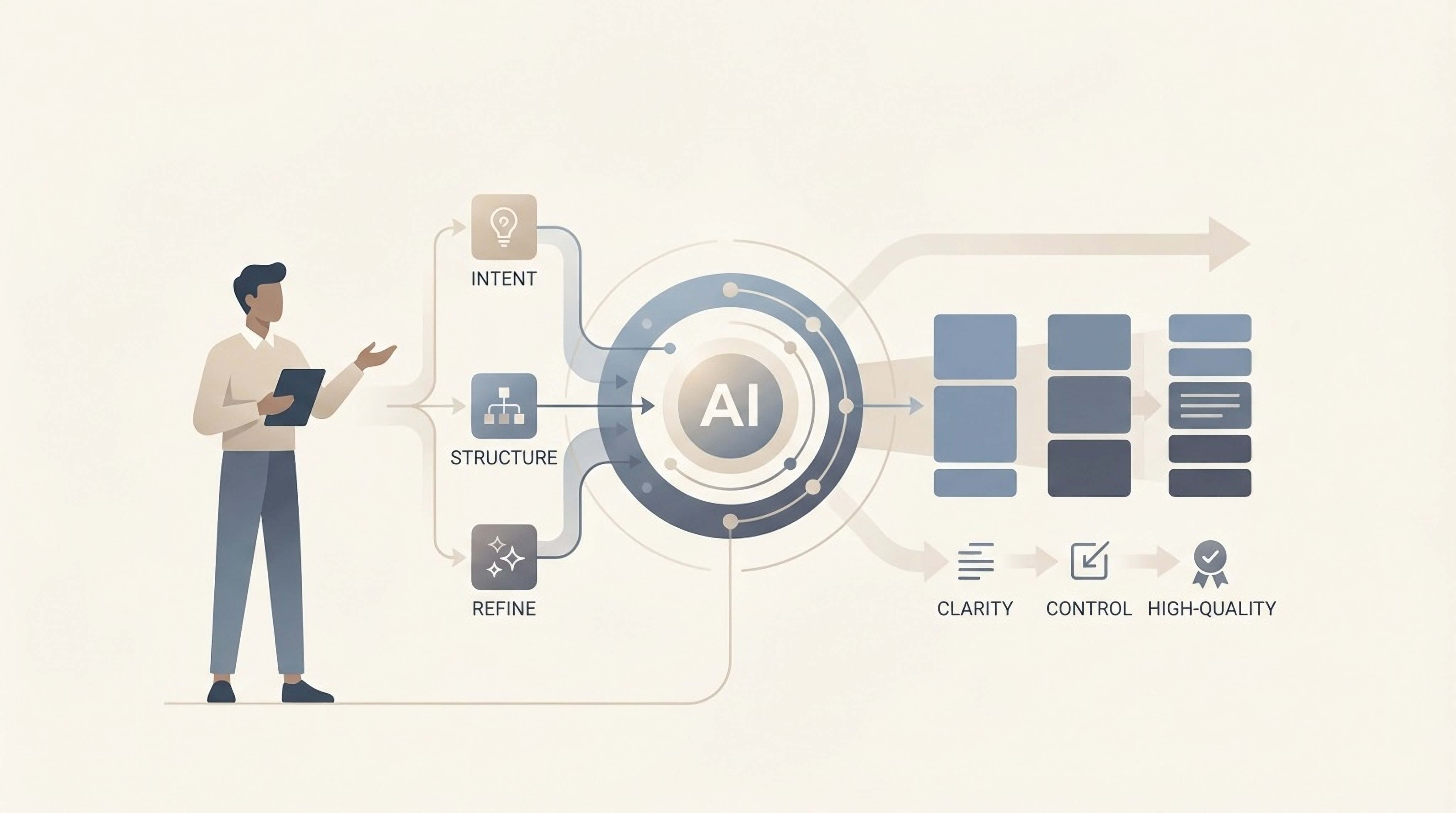
Integrating AI into your writing workflow can enhance creativity and efficiency. Start by identifying specific tasks where AI writing tools for content creators can be beneficial. Consider using AI for brainstorming ideas, generating outlines, or drafting initial content. This allows you to focus your energy on refining and personalizing your writing.
To effectively balance AI with traditional methods, set a clear purpose for each tool. For instance, leverage AI writing technologies to analyze your writing style or suggest improvements, but ensure the final edits retain your unique voice. Additionally, establish a routine: dedicate time to write without distractions, then employ AI tools in a structured phase to review or enhance what you’ve created.
Finally, continually assess the outputs of AI tools, adapting your approach as needed, ensuring they serve to complement rather than replace your creative process.
Best Practices for Using AI Writing Tools
To effectively leverage AI writing tools for copywriters, it's essential to establish a balanced workflow. Start by outlining your content goals and using AI as a brainstorming partner rather than a crutch. For instance, employ AI tools to generate topic ideas or create drafts, but always refine the final output to reflect your unique voice. A study from the American Marketing Association revealed that using AI in content creation can lead to a 40% increase in productivity when properly integrated into workflows.
For AI writing tools for email marketing, tailor your approach by using these tools for personalization and segmentation. AI can analyze previous campaigns to suggest subject lines that resonate with various customer segments, improving open rates and engagement by as much as 20%. Ultimately, the key is to treat AI as a collaborative assistant that amplifies human creativity rather than replacing it.

The Future of AI in Writing
The future of AI in writing holds immense promise, with advancements poised to redefine the creative landscape. As natural language processing continues to evolve, we can expect AI writing tools for journalists to enhance reporting by synthesizing vast amounts of data and suggesting angles that may not be immediately obvious. Likewise, AI writing tools for authors are likely to provide tailored story development assistance, helping to generate plots, character arcs, and even dialogue that resonate emotionally with readers.
Innovations such as real-time collaboration features and hyper-personalization will empower creators to work seamlessly alongside AI, turning writing into a more collaborative process. We may also see AI tools become adept at understanding context and tone, offering suggestions that align closely with the writer’s unique voice. As these technologies advance, they will not only streamline workflows but also foster greater creativity, enabling every writer to elevate their craft.
Conclusion
AI can be a powerful addition to your writing workflow—but only when its role is clearly defined. Used well, it accelerates idea generation, improves clarity, and reduces friction in drafting and editing. Used poorly, it risks flattening voice, weakening originality, and introducing errors that undermine credibility.
The most effective workflows strike a balance: AI handles speed and structure, while humans provide judgment, emotion, and meaning. By understanding both the capabilities and limitations of AI writing tools, creators can make intentional decisions about where automation helps and where human insight must lead.
As AI continues to evolve, writers who maintain this human-in-the-loop approach will not only work more efficiently—they’ll protect the authenticity and depth that distinguish impactful writing.
Frequently Asked Questions
Sources
- USAFacts, 2024. https://staticweb.usafacts.org/media/documents/USAFacts_2024_AIF_compressed_1.pdf
- Centers for Disease Control and Prevention, 2023. https://www.cdc.gov/nchs/pressroom/recent-data/index.html
- US Census Bureau, 2023. https://usafacts.org/state-of-the-union/