
Layered Prompting: The Structured Method for Creating Deep, Coherent Long-Form Content
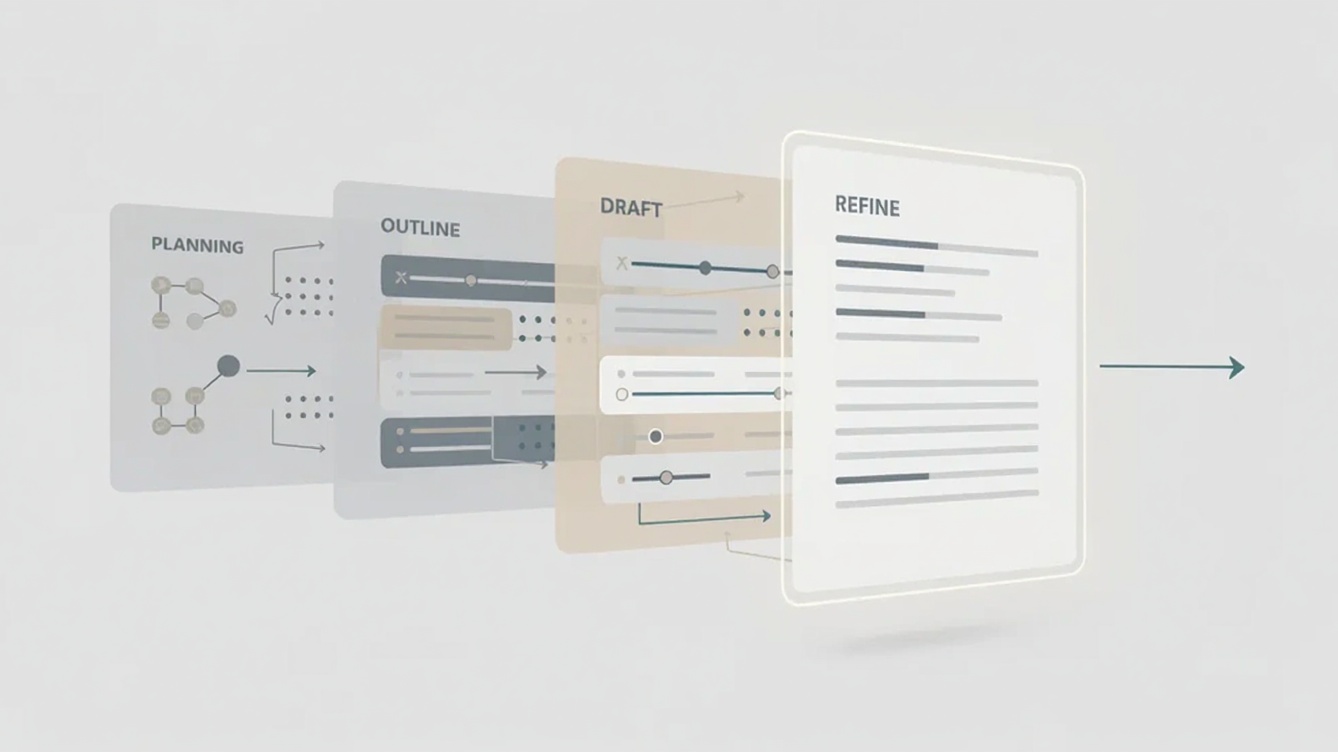
Most long-form content fails not because the ideas are weak, but because the writing process lacks structure. Layered prompting is a structured writing method designed to solve this problem by breaking complex topics into intentional, manageable stages. Instead of generating an article in a single pass, layered prompting guides writers to build content progressively—starting with core concepts, then expanding, refining, and connecting ideas in sequence. Each layer builds on the previous one, creating long-form content that is clearer, more coherent, and easier to follow from introduction to conclusion. This approach is especially powerful when working with AI writing tools, where staged prompting helps prevent shallow output, repetition, and loss of focus while producing more polished, human-quality results.

What are Structured Writing Methods?
Structured writing methods are systematic approaches designed to enhance the clarity and coherence of written content. By employing methodical writing strategies, writers can organize their thoughts, ensuring each piece flows logically and remains focused on the central theme. These methods typically involve the use of outlines, templates, and pre-defined formats, allowing the writer to categorize information effectively and maintain a clear narrative arc. In essence, structured writing transforms ideas into a cohesive structure, making it easier for readers to grasp complex concepts. By utilizing these techniques, authors can significantly improve the readability and impact of their long-form content, guiding audiences through the material with clarity and engagement.
Benefits of Structured Writing
Structured writing proves essential for effective communication, particularly in long-form content. By employing organized content creation techniques, writers can streamline their messages, making them clearer and more accessible to readers. An impressive 70% of readers are more likely to engage with material that is well-organized, demonstrating a strong connection between structure and reader retention (USAFacts, 2025). This cohesive approach also enhances the optimization of the writing process, allowing authors to focus on key points without getting lost in tangents. Furthermore, structured writing fosters consistency, enabling a natural flow that guides readers through the content. Overall, the advantages are clear: structured writing yields higher engagement, improved clarity, and a more enjoyable reading experience for audiences.
Key Techniques in Layered Prompting
Layered prompting employs several structured writing techniques that can transform vague ideas into coherent long-form content. One effective method is the use of hierarchical prompts, where the main topic is broken down into subtopics. For example, if writing about "Digital Marketing," a prompt like "Define SEO" can be a sub-layer that leads to more detailed content on this specific aspect.
Another technique involves sequential questioning. This method encourages deeper exploration by asking successive questions. For instance, starting with "What is infographics?" followed by "How to design effective infographics?" guides the writer through content structuring methods that build on each answer. Utilizing these techniques not only enhances clarity but also ensures the content remains on topic while supporting a thorough examination of complex subjects.

Creating an Outline
Creating a well-structured outline is essential for effective content organization strategies. An outline serves as a roadmap, guiding your writing process and ensuring coherence throughout your long-form content. To develop a robust outline, follow these actionable steps:
- Identify Your Main Idea: Start by clearly defining the central theme or argument of your piece.
- Break It Down: Divide your main idea into subtopics or key points that support your argument, creating a hierarchy of information.
- Arrange Logically: Organize these subtopics in a logical sequence, ensuring that each flows smoothly into the next.
- Add Detail: Include bullet points or brief notes under each subtopic to flesh out your thoughts; this aids in the development of your writing framework.
By following these steps, you can create a comprehensive outline that enhances clarity and depth in your writing.
Utilizing Templates
Utilizing templates is a powerful strategy for enhancing writing structure in long-form content creation. By employing standardized frameworks, writers can focus on ideation and message clarity while ensuring a coherent flow. A practical example of a writing template is the "Inverted Pyramid" structure, often used in journalism. This template begins with the most crucial information at the top, gradually providing supporting details and background information. Such a content planning methodology not only streamlines the writing process but also ensures that the key points are presented upfront, capturing the reader's attention effectively. By integrating templates into your writing practice, you can improve productivity and maintain consistency, ultimately leading to richer and more engaging content.
Implementing Writing Structures
Implementing effective writing structures is essential for successful content creation. Some popular writing organization techniques include chronological, problem-solution, and thematic frameworks.
- Chronological: This structure presents information in the order it occurred, ideal for storytelling or historical analysis. For instance, a blog post about the evolution of technology can guide readers through significant milestones in various timeframes depending on how they developed over years.
- Problem-Solution: This approach identifies a specific challenge and outlines potential solutions. For example, an article discussing climate change could first address its impacts and then suggest actionable strategies, such as renewable energy adoption. This method engages readers by providing them with practical insights.
- Thematic: Thematic structures organize content around key themes or topics, allowing for deeper exploration. For instance, a health article can be segmented into sections discussing nutrition, exercise, and mental well-being, providing a well-rounded perspective on overall wellness.
Using these content development frameworks effectively enhances coherence in long-form writing, ensuring that readers stay engaged and informed.
Layering Information
Layering information is a compelling technique within content structuring strategies that enhances clarity and engagement. By introducing concepts progressively, you allow readers to build their understanding step by step. This method not only improves comprehension but also enriches the narrative, creating a more immersive experience. A simple rule of thumb: each layer should answer one clear question before moving to the next, ensuring ideas are fully developed rather than prematurely expanded. For instance, consider starting with foundational ideas before weaving in more complex layers, such as case studies or data analytics. A study by UNCTAD (2025) highlights that layered information processing can boost understanding by up to 40%, showcasing its importance. To implement this in your writing process, outline key points and arrange them hierarchically. This way, each paragraph serves as a building block, ultimately culminating in a well-rounded, insightful piece that resonates with your audience.
Common Mistakes in Layered Prompting
In the journey of writing process optimization, several common mistakes can hinder the effectiveness of layered prompting. One pitfall is using overly vague prompts, which leads to generic content. To avoid this, ensure your prompts are specific and relevant to your topic.
Another mistake is neglecting the iterative nature of layered prompting. Failing to refine your prompts based on outcomes can prevent deeper exploration of ideas. Regularly assess and adjust your prompts for improved results.
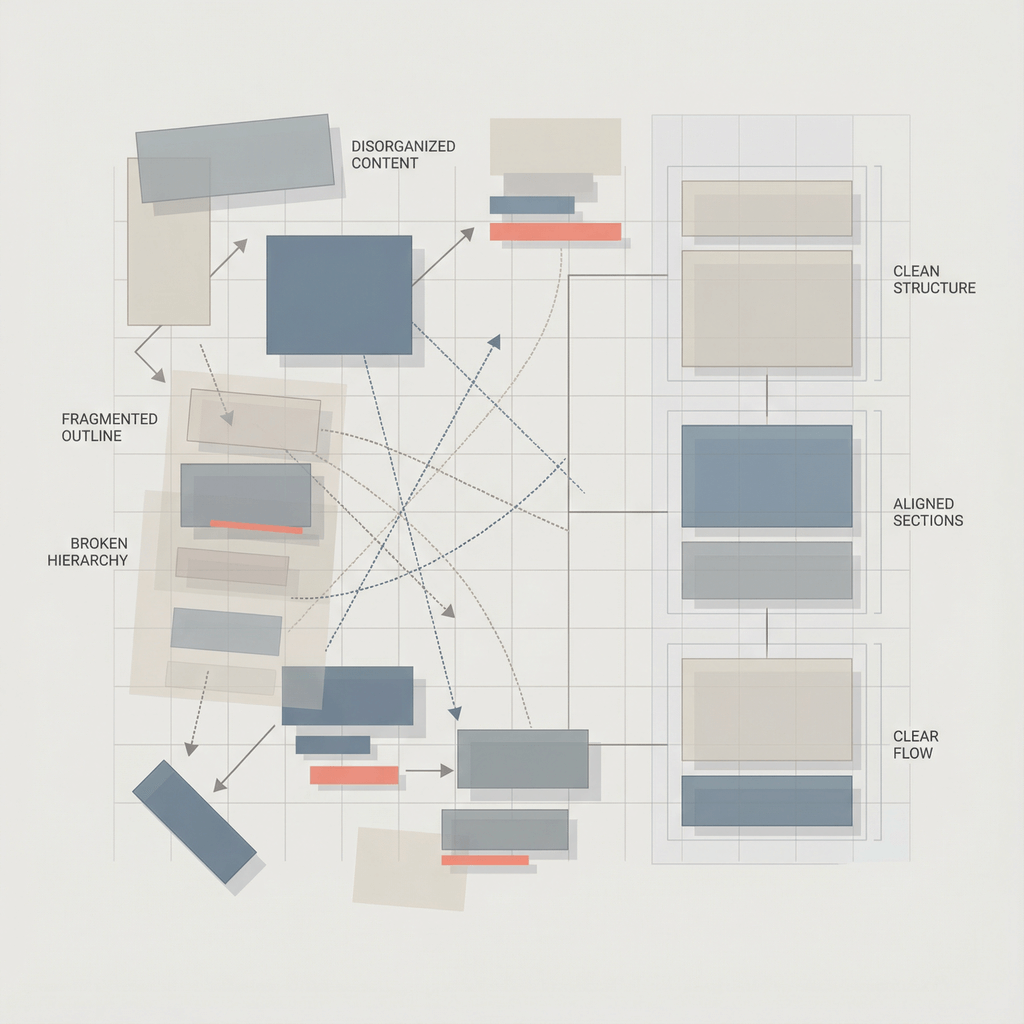
Moreover, not incorporating adequate content planning strategies can lead to disorganized and fragmented pieces. Develop a structured outline to maintain coherence. By being mindful of these common pitfalls, writers can enhance the depth and clarity of their long-form content, making the most out of layered prompting.
Advanced Strategies for Mastery
To truly master structured writing methods, experienced writers should embrace advanced strategies that refine their approach. First, consider integrating writing framework strategies that emphasize clarity and coherence. This means restructuring drafts by categorizing information into distinct sections, which enhances readability and logical flow.
Additionally, employing content development strategies can deepen content engagement. Use varying media formats, such as infographics and videos, to complement written content, appealing to diverse learner styles. Furthermore, regularly incorporating peer reviews can provide fresh perspectives, facilitating improvements in both content depth and structural integrity. Finally, set aside time to analyze successful long-form content in your niche; dissecting these examples can unveil effective techniques to incorporate into your own work.
Conclusion
In conclusion, adopting layered prompting as a method for crafting long-form content highlights the significance of structured writing methods. By emphasizing clear objectives, systematic breakdown, and coherent connections between ideas, writers can enhance the quality and depth of their work. This article has explored various writing structure strategies that not only streamline creativity but also ensure that the final piece resonates with readers. By integrating these structured approaches, content creators can develop more insightful and impactful narratives, fostering a better understanding of complex topics. Ultimately, mastering layered prompting is essential for anyone aiming to produce substantial and engaging long-form content that captivates an audience and communicates ideas effectively.
Frequently Asked Questions
Sources
- UNCTAD, 2025. https://unctad.org/publication/handbook-statistics-2025
- USAFacts, 2025. https://usafacts.org/reports/state-of-the-union/
%20Do%20in%20Your%20Writing%20Workflow.jpg)