

Prompt Engineering for Writers: How to Get High-Quality Output From Any AI Model
The quality of AI-generated writing is rarely limited by the model itself—it’s limited by the prompt. Writers who treat AI as a simple command tool often get generic results, while those who understand how to guide it through precise, well-structured prompts consistently produce higher-quality output.
Prompt engineering is the skill that bridges this gap. By shaping context, constraints, and intent, writers can influence not just what an AI generates, but how it thinks through a response. Whether developing story concepts, refining arguments, or generating structured content, the difference between a vague prompt and a well-engineered one is immediately noticeable.
In this guide, we’ll break down prompt engineering specifically for writers—covering foundational concepts, common mistakes, advanced strategies, and real-world examples—so you can reliably get high-quality results from any AI model you use.
Understanding the Role of AI in Writing
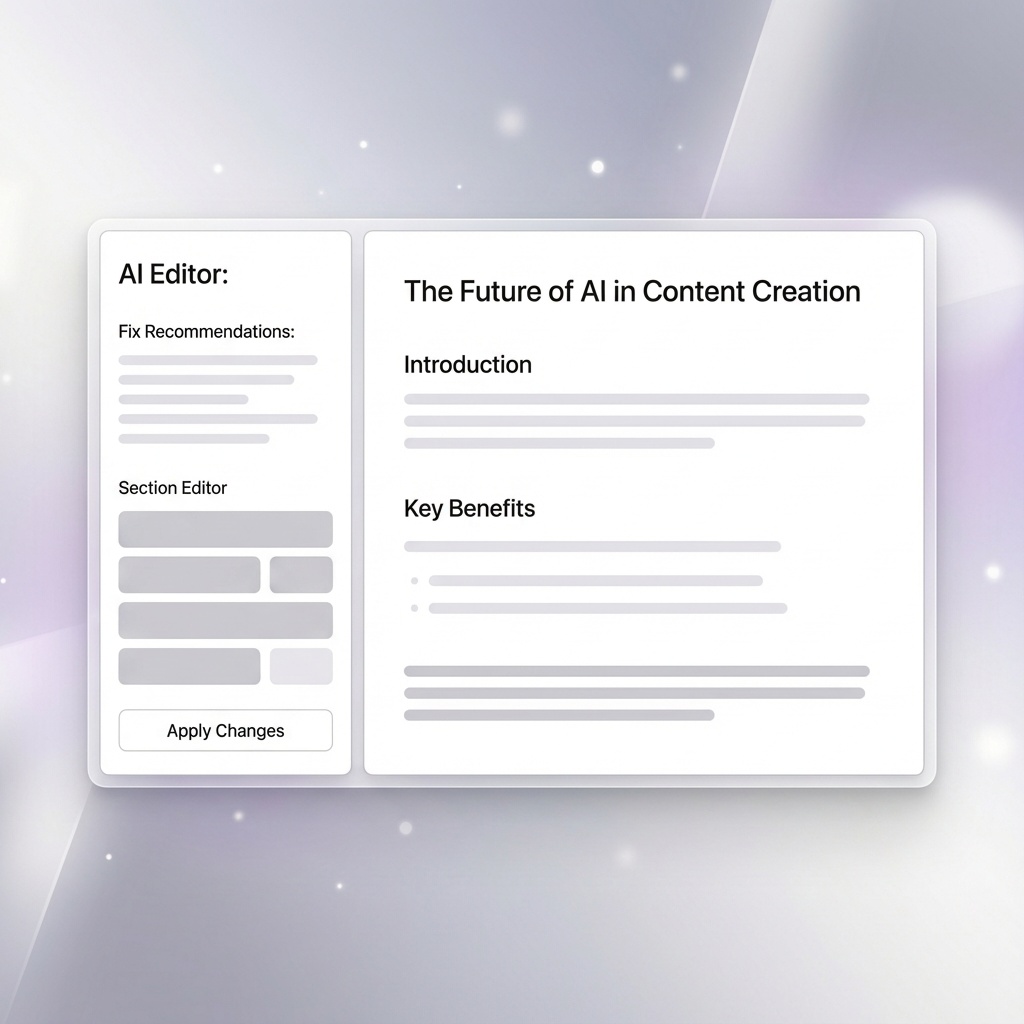
AI is rapidly transforming the writing landscape, revolutionizing how authors, marketers, and content creators approach their work. The rise of AI content generation strategies has led to a significant increase in productivity, enabling writers to focus on creativity while machines handle repetitive tasks. According to recent studies, over 60% of professionals are now integrating AI tools into their writing processes, highlighting the widespread adoption of this technology. However, this shift also presents challenges, such as the risk of over-reliance on AI, which can dilute a writer's unique voice. To navigate this evolving landscape effectively, understanding prompt engineering for writers becomes crucial, as crafting precise prompts maximizes the quality of outputs, balancing the benefits and drawbacks of AI in writing.
Basics of Prompt Engineering
Prompt engineering is the art of crafting prompts for AI writing to elicit specific, high-quality outputs. It involves understanding how AI models interpret input and tweaking your queries to achieve desired results. By strategically designing prompts, writers can guide the AI to focus on particular themes or styles, enhancing the relevance of the generated content. For example, instead of asking, "Write about dogs," you might say, "Describe the characteristics and care of Golden Retrievers suitable for first-time dog owners." This specificity not only clarifies the intent but also enriches the quality of the response. Understanding prompt engineering for writers is essential for maximizing the potential of AI tools and ensuring they serve as effective collaborators in the writing process.

Types of Prompts That Work
To harness the full potential of AI in writing, understanding the types of prompts that yield effective results is crucial. Here are three kinds of prompts that writers can utilize:
- Open-Ended Prompts: These allow AI to generate creative responses without strict boundaries. For instance, asking, “What are the themes explored in a modern fable?” encourages expansive thinking and broad explorations.
- Specific Prompts: By providing detailed instructions, writers can steer the AI towards desired outcomes. An effective AI prompt for writers could be, “Write a 200-word summary of the plot of 'Pride and Prejudice' focusing on character development,” which leads to concise and targeted outputs.
- Guiding Prompts: These offer frameworks or questions that help shape the response. For example, “Generate ten questions about environmental issues for a discussion” effectively outlines the context while allowing for a diverse range of answers.
These AI writing prompt examples showcase how tailored prompts can lead to high-quality, relevant content that meets a writer's specific needs.
Common Mistakes in Prompt Engineering
Writers often stumble into common pitfalls when crafting their AI prompts, which can lead to disappointing results. One frequent mistake is being overly vague; without clear instructions, an AI may misinterpret your intent. To avoid this, aim for specificity in your requests, ensuring your prompt outlines the desired tone, style, and topic. Another common error is neglecting to test and refine prompts. Utilize various AI writing prompt templates to experiment and identify what works best for your needs.
Additionally, failing to set context can lead to irrelevant outputs. Including background information helps the AI generate more pertinent responses. Remember to review the AI writing prompt best practices that emphasize clarity and detail, which will undoubtedly enhance the quality of the generated content.
Advanced Strategies for AI Writing
To effectively enhance AI-generated content, writers should focus on optimizing AI for writing tasks through refined prompt strategies. Specificity is crucial; rather than vague requests, precise prompts guide AI toward the desired outcome. For example, instead of asking for "a story," specify elements such as the setting, character traits, and plot points. This contextual information aids AI in producing more tailored and relevant content.
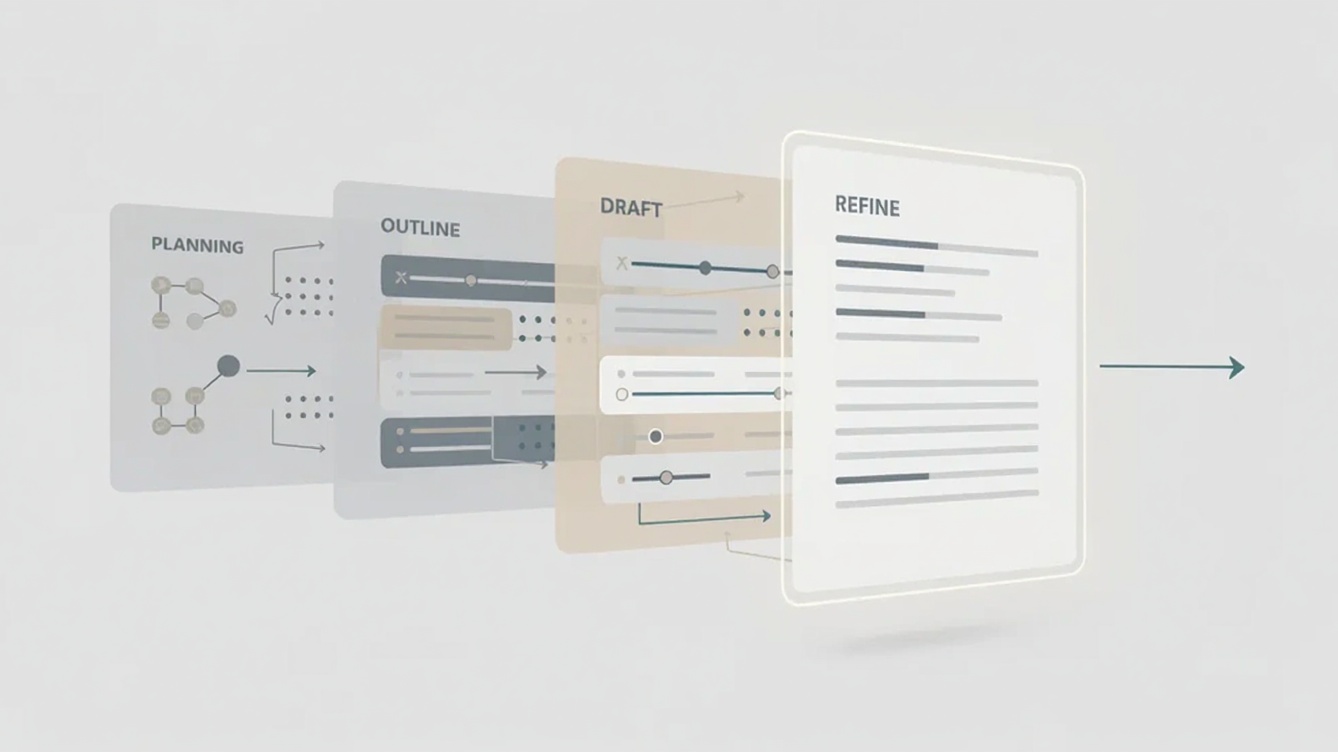
Moreover, layering prompts can yield substantial results. First, generate broad ideas, then narrow down by asking follow-up questions related to your initial output. Combining these advanced AI-assisted writing tips with a strong understanding of the subject matter you’re addressing can significantly elevate the quality of AI outputs, making them more aligned with your writing goals.
Using Feedback Loops in Prompt Engineering
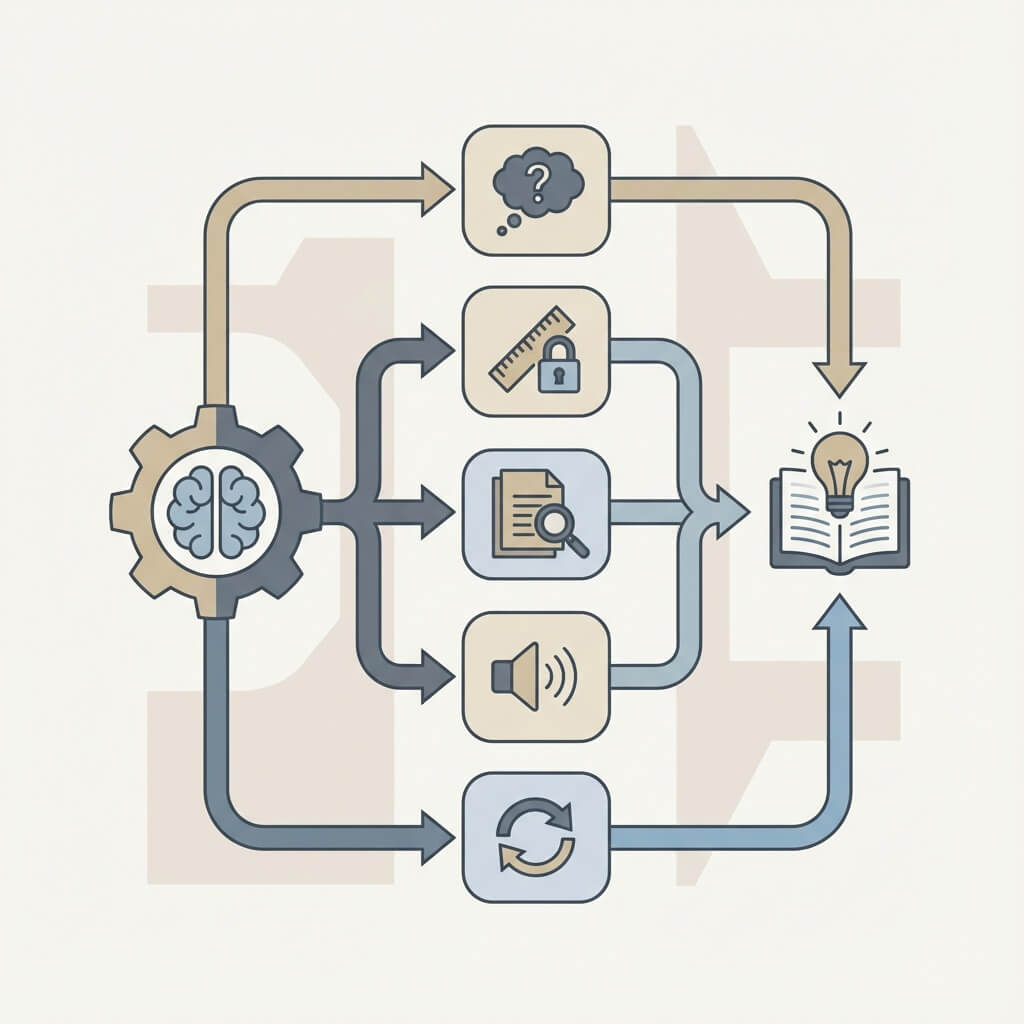
Feedback loops are crucial in the process of prompt refinement when working with AI models. By iterating on the outputs generated from initial prompts, writers can identify areas for improvement, ultimately enhancing AI-generated content. This iterative process allows you to assess what works and what doesn’t, helping you reframe your questions or prompts for better results.
For example, if an AI writing prompt guide results in vague responses, tweaking the prompt based on that feedback could lead to more detailed and relevant information. Embracing this cycle of feedback not only sharpens your prompts but also cultivates a deeper understanding of how the AI interprets language, leading to consistently higher-quality outputs over time.
Tools and Resources for Writers
In the evolving landscape of content creation, several AI writing tools for authors stand out for their effectiveness in prompt engineering. Tools like ChatGPT are often used for brainstorming and idea refinement through conversational prompts. SEO-focused platforms like OptiWrite AI extend this approach by embedding prompt engineering into structured writing workflows, helping authors move from ideation to optimized, publication-ready content.
Additionally, there are numerous AI writing prompt resources available online, such as PromptBase, which allows users to explore a database of prompts tailored for various genres. These tools and resources enable writers to harness the power of AI effectively, enhancing their creative process and output quality.
Workshops and Learning Opportunities
To enhance your prompt engineering skills, various workshops and learning opportunities are available for writers eager to harness AI's full potential. Consider enrolling in AI writing prompt courses offered by organizations like Coursera and Udemy, where experienced instructors provide insights on crafting effective prompts. Additionally, look for AI writing prompt webinars by platforms such as the Writers' Guild and The Creative Penn, which host live sessions covering the latest in AI capabilities and prompt strategies. Another great resource is the AI for Writers Collective, which frequently organizes hands-on workshops focusing on real-time prompt crafting. Engage with these learning opportunities to refine your skills and get the most out of AI tools in your writing endeavors.
Case Studies: Successful Prompt Engineering
Two notable case studies underscore the power of effective prompt engineering in enhancing AI-generated content. The first example involves a marketing agency that employed tailored AI writing prompt tutorials to create engaging social media posts. By fine-tuning their prompts with specific audience insights, they increased client engagement rates by 45% in just three months, showcasing how targeted prompting leads to measurable success.
Another compelling case features a small publishing house that utilized insights from AI writing prompt podcasts to craft intricate character backstories. By implementing prompts that stimulated creativity and depth, they reduced the editing phase by 30%, allowing for faster publication cycles. These examples highlight that strategic prompt engineering not only elevates content quality but provides quantifiable benefits in efficiency and engagement.
Future Trends in AI Writing
The landscape of AI writing is rapidly evolving, driven by advancements in machine learning and natural language processing. One future trend is the refinement of AI writing techniques that adapt more intuitively to user preferences, cultivating narratives that resonate on a deeper emotional level. As models become increasingly sophisticated, we expect improved contextual awareness, allowing them to generate content that seamlessly integrates various writing styles and tones.
Moreover, the accessibility of improving AI writing outputs through collaborative platforms will democratize creative writing. Writers will not only become users but active participants in shaping AI behavior, leading to a more personalized writing experience. As we lean into this era, the fusion of human creativity with AI capabilities promises a future where co-writing becomes the norm, enhancing storytelling like never before.
Conclusion
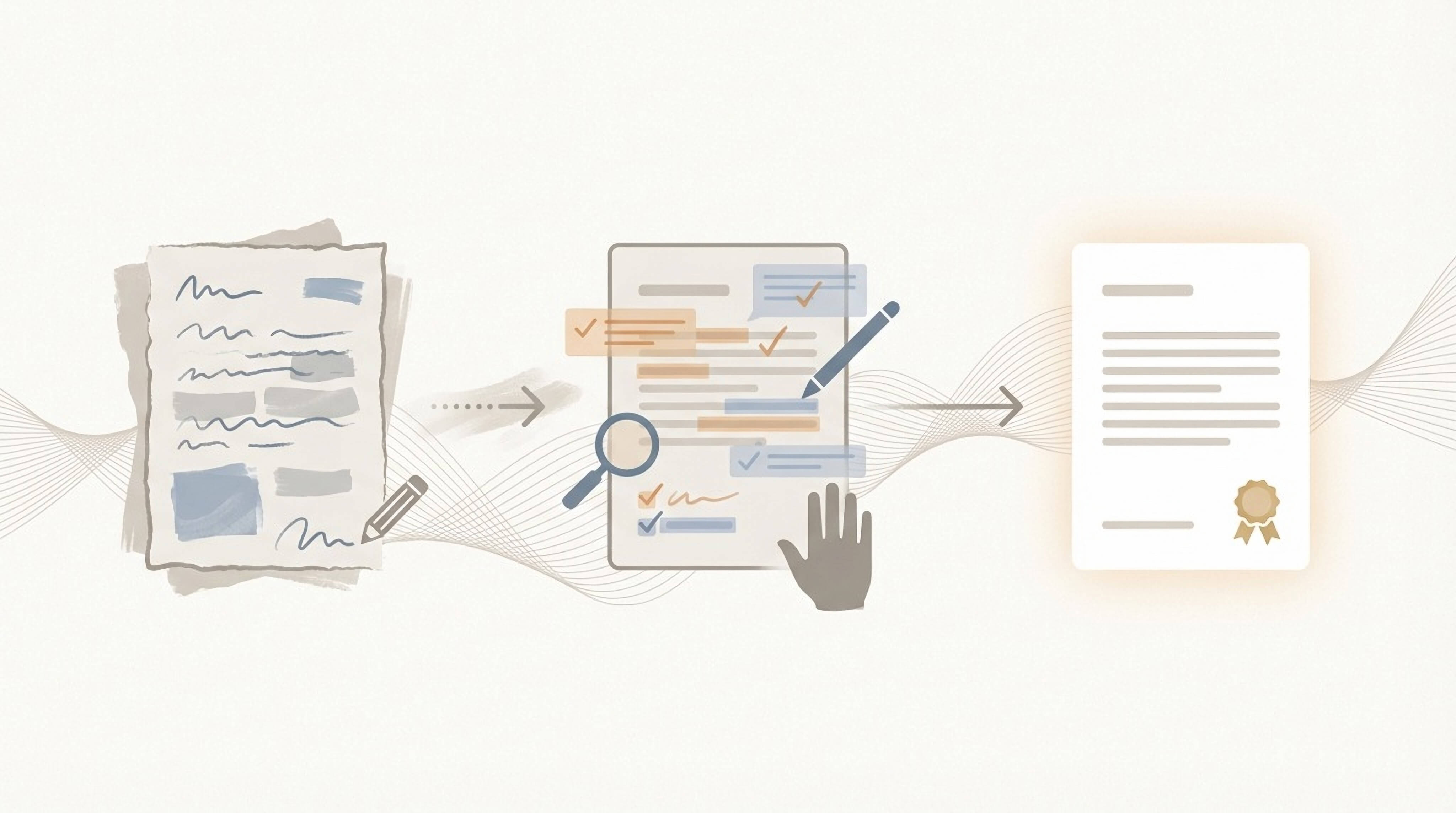
Prompt engineering is quickly becoming a foundational skill for writers working with AI. The ability to clearly define intent, provide context, and refine outputs through iteration determines whether AI produces generic content or genuinely useful, high-quality writing support.
By applying the strategies outlined in this guide—such as specificity, feedback loops, and layered prompting—you can turn AI into a reliable creative partner rather than an unpredictable tool. Over time, strong prompting doesn’t just improve outputs; it improves how you think about structure, clarity, and audience intent in your own writing.
As AI models continue to evolve, writers who master prompt engineering will maintain control over their voice, quality, and creative direction. The model may generate the words—but the prompt defines the outcome.
Frequently Asked Questions
Sources
- Deloitte Insights, 2025. https://www.deloitte.com/us/en/insights/topics/economy/global-economic-outlook/weekly-update/weekly-update-2025-06.html
- USAFacts, 2025. https://usafacts.org/state-of-the-union/
- Pew Research Center, 2025. https://www.pewresearch.org/short-reads/2025/12/09/striking-findings-from-2025/
- U.S. Census Bureau, 2023. https://www.census.gov/library/stories/2023/12/happy-new-year-2024.html
- Economic Policy of the Biden Administration, 2024. https://en.wikipedia.org/wiki/Economic_policy_of_the_Biden_administration
%20Do%20in%20Your%20Writing%20Workflow.jpg)