How to Turn AI Drafts Into Polished, Human-Level Writing: A Step-by-Step Editing Method
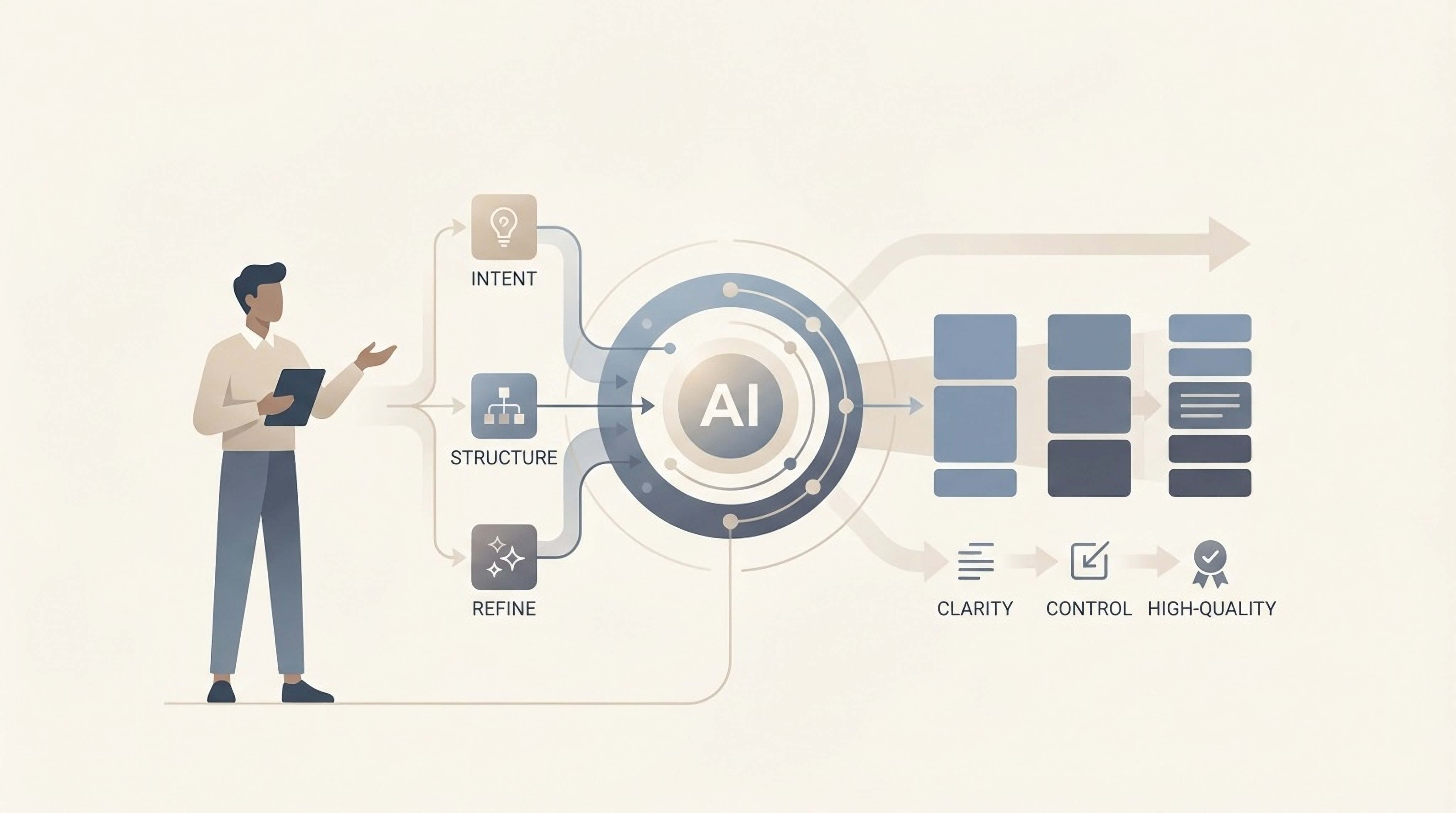
AI can generate drafts in seconds—but turning those drafts into writing that feels clear, engaging, and unmistakably human still requires a skilled editorial hand. While AI excels at structure and speed, its outputs often lack nuance, emotional resonance, and audience awareness. That gap is where intentional editing becomes essential.
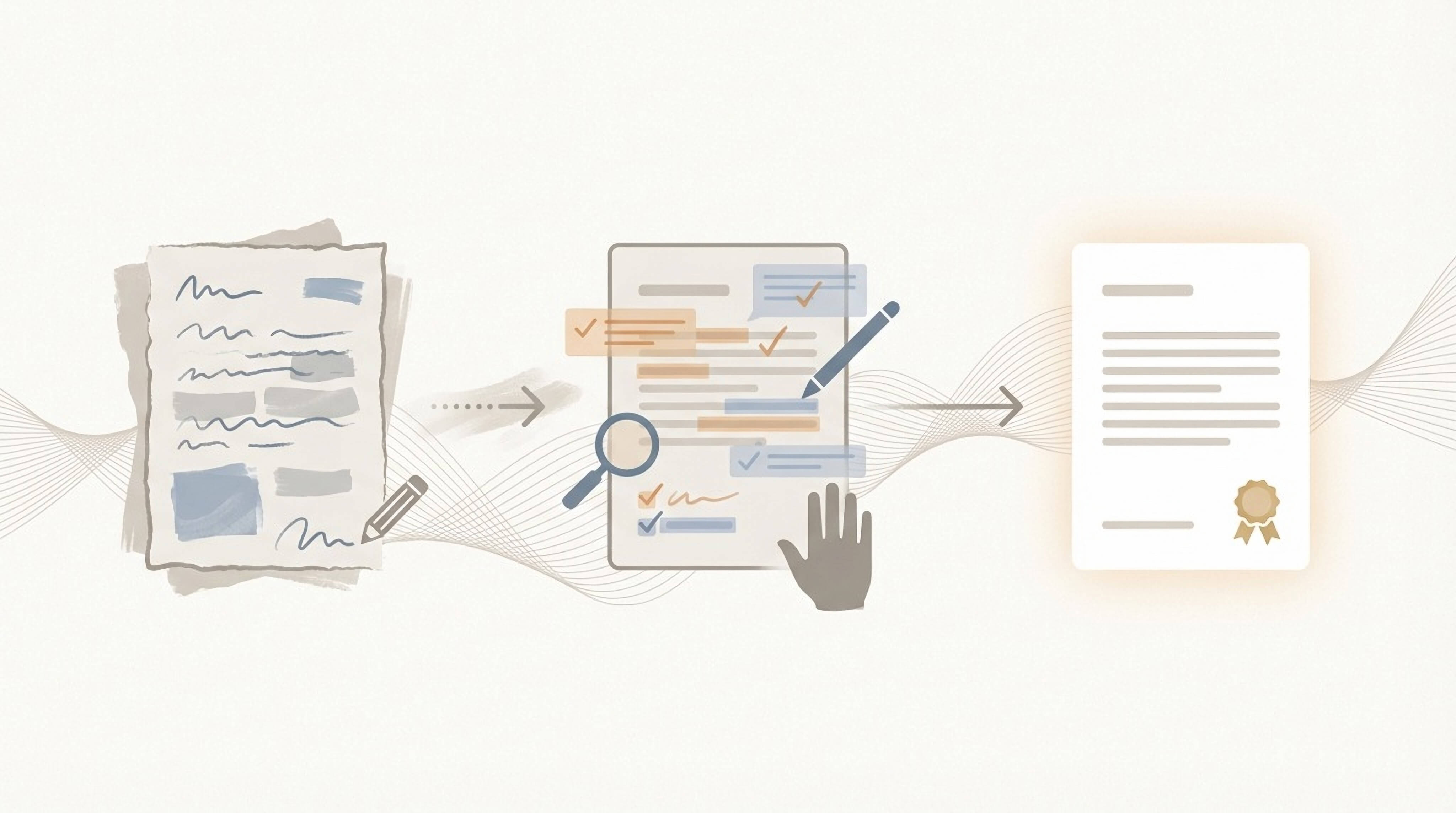
By applying a clear, repeatable editing method, writers can elevate AI-generated drafts from passable to polished. The goal isn’t to fight the AI or blindly accept its output, but to refine it—shaping tone, improving flow, and restoring human judgment where it matters most.
This step-by-step guide walks through a practical editing process designed specifically for AI drafts. By following these AI writing editing tips and content refinement techniques, you’ll learn how to transform raw AI output into writing that sounds natural, purposeful, and ready for real readers.

Understanding AI’s Role in Content Creation
AI plays a transformative role in content creation, utilizing algorithms and vast data sets to generate drafts quickly and efficiently. Tools like OpenAI’s ChatGPT and OptiWrite AI allow writers to produce initial content, which can be further enhanced through AI writing editing tips and AI content refinement strategies. These platforms offer capabilities ranging from brainstorming ideas to drafting entire articles, saving valuable time and effort. However, while AI-generated drafts can be a strong starting point, they often lack the nuance and emotional depth of human writing. To address these shortcomings, implementing AI writing enhancement tips is essential for refining AI drafts into polished, relatable content that resonates with readers.
Step 1: Reading and Analyzing the Draft
Before diving into the editing process, it's crucial to read and analyze the AI draft thoroughly. This step lays the foundation for effective editing and helps ensure coherence and style throughout the text. As you read, pay attention to the overall flow of ideas and the clarity of arguments. Consider whether the tone is appropriate for your audience and if the language is engaging.
When analyzing the draft, look for specific criteria such as:
- Logical organization of content
- Consistency in voice and tone
- Clarity in sentence structure
- Relevance and support of key points
By focusing on these aspects, you can apply AI writing editing tips and edit AI drafts effectively, setting the stage for a polished final piece.

Step 2: Identifying the Audience and Purpose
To effectively transform AI-generated text into polished writing, it’s crucial to first identify your target audience and the purpose of your content. Understanding who will read your piece will guide your tone, vocabulary, and overall approach. Start by asking yourself:
- Who is my audience? Are they professionals, students, or casual readers?
- What is the primary goal of this content? Is it to inform, persuade, or entertain?
Once you’ve defined these elements, you can focus on humanizing AI-generated text. Tailor the language and expressions to resonate with your audience, ensuring clarity and engagement. This will be a significant step in improving AI-generated writing to meet the expectations of real readers through effective AI writing editing tips.
Step 3: Enhancing Clarity and Flow
To enhance clarity and flow in your AI-generated drafts, focus on reorganizing content around a central idea. Begin by identifying key points and structuring them logically; this may involve moving paragraphs or sentences to improve cohesion. Use subheadings to segment ideas clearly, allowing readers to navigate easily.
For effective editing AI content for clarity, employ the "one idea per paragraph" method, which ensures that each section delivers a single, focused message. Remember, poor clarity can severely impact audience retention; if readers struggle to grasp your points, they’re likely to disengage. Implementing these AI writing optimization methods will transform your draft into a coherent piece that resonates with your audience.

Step 3a: Using Transitional Phrases Effectively
To enhance AI writing editing tips, using transitional phrases is vital for effective editing of AI drafts. These phrases serve as bridges between ideas, ensuring coherence and guiding the reader through your narrative. For instance, words such as "furthermore," "on the other hand," and "in addition" can smoothly connect related thoughts, while "however" and "consequently" help to contrast or highlight results.
When applying these transitions, evaluate each section: does it flow logically? If not, insert appropriate phrases to facilitate movement from one idea to the next. By implementing this strategy, you’ll significantly boost readability and clarity, making your revisions more impactful.
Step 4: Language and Tone Adjustments
Language and tone adjustments are crucial in transforming AI-generated drafts into polished, human-level writing. First, identify your target audience: are they professionals seeking formal insights, or casual readers looking for relatable content? Formal writing styles often require precise vocabulary, structured sentences, and an objective tone, while informal styles embrace conversational language, personal anecdotes, and a friendly demeanor.
Utilize AI writing enhancement techniques to suggest synonyms and varied sentence structures that align with your chosen tone. Additionally, employ AI writing editing tips to streamline your language, ensuring clarity and engagement. Always re-read your text aloud to confirm it resonates well with your intended audience.
Step 5: Proofreading and Final Edits
After transforming your AI-generated content through revision and refinement, the crucial step of proofreading awaits. This process is vital for spotting grammatical errors and typographical mistakes that can detract from your message's clarity. Utilize tools like OptiWrite AI or Hemingway to catch errors and enhance your writing's readability. Additionally, consider reading your draft aloud; this simple technique can help you identify awkward phrasing or inconsistencies. Implementing these AI writing polishing methods ensures your piece not only resonates with readers but also maintains a professional tone. Remember, taking the time to proofread elevates the quality of your AI writing editing tips and ultimately delivers a polished final product.
Common Mistakes to Avoid
When refining AI drafts, it’s crucial to be aware of common mistakes that can detract from the final piece. Here are some pitfalls to avoid:
- Neglecting Context: AI-generated text may miss nuances. For example, calling a character "a hero" when they're a complex anti-hero. To avoid this, always cross-reference with the established storyline and character arcs.
- Overlooking Tone: AI might deliver content that feels robotic. Make sure to adjust language to ensure it resonates with your audience's expectations—this is key in applying effective AI writing editing tips.
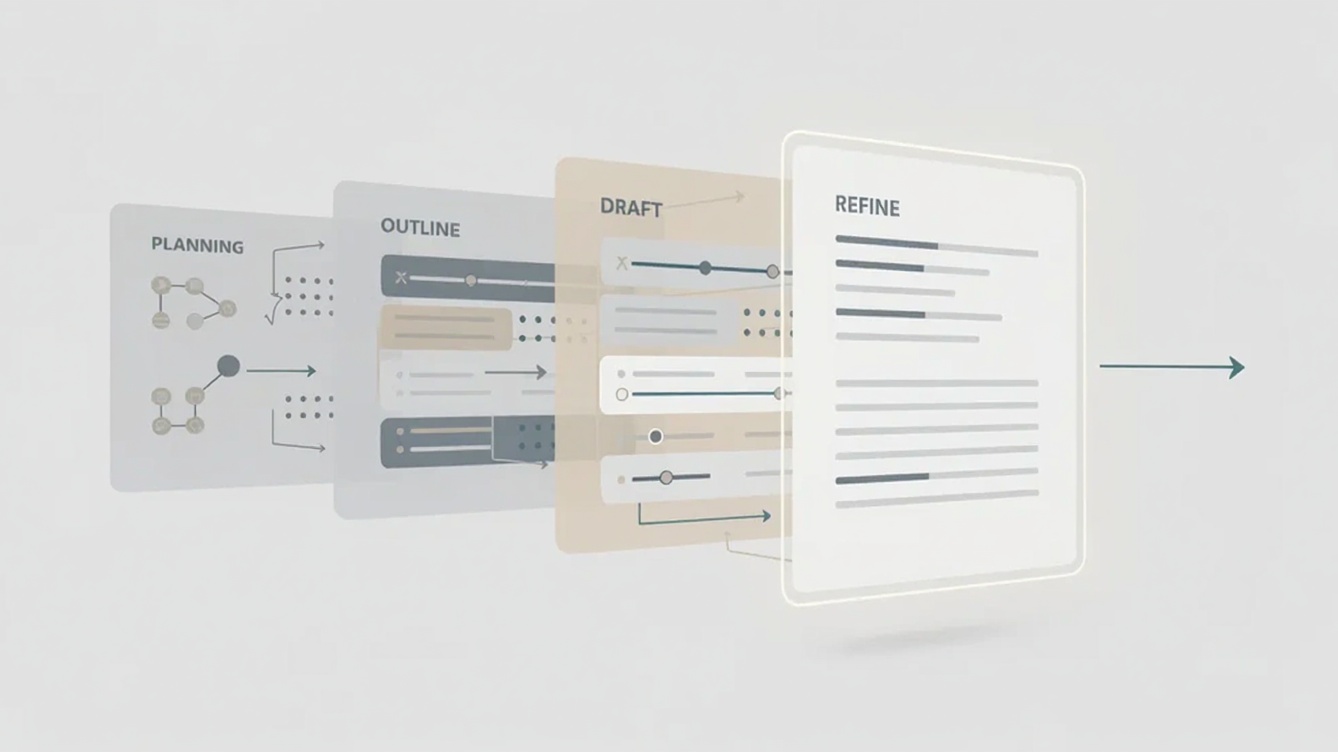
- Ignoring Structure: AI drafts can lack logical flow. Use outlines to guide edits and maintain coherence, applying essential AI-generated text editing tips.
By being mindful of these mistakes, you can enhance your content's clarity and engagement.
Conclusion
Turning AI drafts into polished, human-level writing is less about fixing mistakes and more about applying editorial intention. By carefully reviewing structure, clarifying purpose, refining tone, and improving flow, writers can transform AI-generated text into content that feels thoughtful, engaging, and authentic.
AI can accelerate the writing process, but quality emerges during the editing phase—where human judgment, context, and voice take over. When you consistently apply these AI writing editing tips, AI shifts from content producer to drafting assistant, supporting your creativity rather than defining it.
As you continue working with AI-generated drafts, treat editing as a core skill—not an afterthought. With a structured approach and a clear understanding of your audience, you can reliably turn AI output into writing that meets professional standards and genuinely connects with readers.
Frequently Asked Questions
Sources
- USAFacts, 2025. https://usafacts.org/state-of-the-union/
- Deloitte Insights, 2025. https://www.deloitte.com/us/en/insights/topics/economy/global-economic-outlook/weekly-update/weekly-update-2025-06.html
- Pew Research Center, 2025. https://www.pewresearch.org/short-reads/2025/12/09/striking-findings-from-2025/
%20Do%20in%20Your%20Writing%20Workflow.jpg)