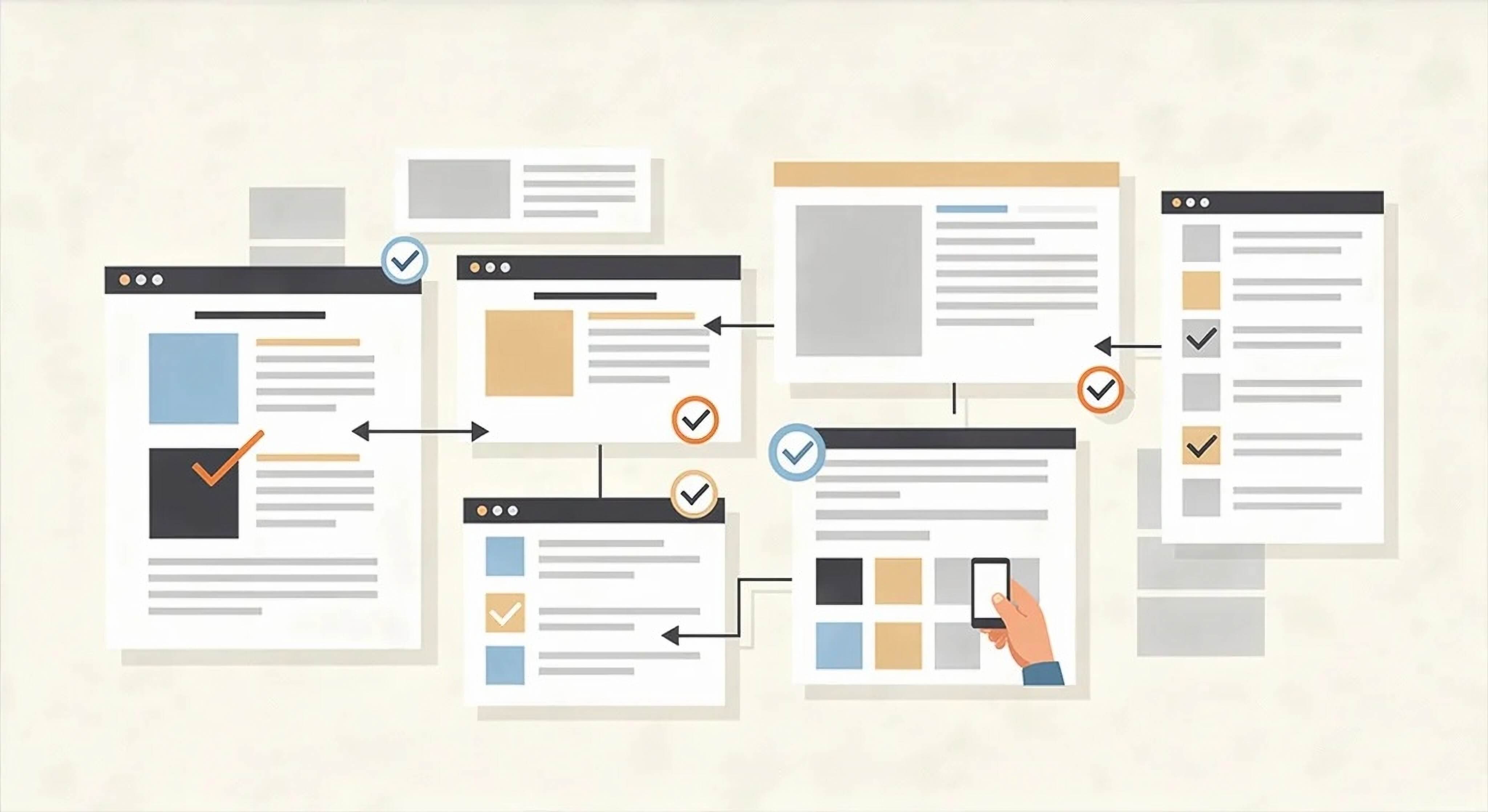

Content Roadmaps 101: How to Plan High-Impact Content for the Next 90 Days
In content marketing, success rarely comes from spontaneous ideas—it comes from deliberate planning. Without a clear roadmap, even strong content teams struggle with inconsistency, missed opportunities, and reactive publishing cycles that fail to drive meaningful results. This is where a well-defined content roadmap becomes essential.
A content roadmap provides structure, focus, and direction. By mapping out themes, formats, and distribution plans over a 90-day period, teams can align content efforts with business goals while staying agile enough to respond to performance data and market shifts. Rather than guessing what to publish next, teams operate with clarity and intent.
In this guide, we’ll break down how to build a high-impact 90-day content roadmap—from audience research and idea development to distribution, measurement, and optimization—so your content efforts are intentional, measurable, and built to drive results.

What is a Content Roadmap?
A content roadmap is a strategic blueprint that outlines the direction of your content marketing strategy over a specified period, typically encompassing 90 days. It includes various components, such as target audience insights, key themes, specific content types, and publication schedules organized within a content calendar. By providing a clear framework, a content roadmap ensures consistent messaging and alignment with business goals.
Research indicates that businesses using structured content roadmaps see a 23% increase in engagement rates compared to those without one. Moreover, 73% of marketers report that a defined content marketing strategy helps improve their content's effectiveness. By establishing a content roadmap, organizations can enhance their capacity to produce high-impact content that resonates with their audience and drives conversions.
Why You Need a 90-Day Content Plan
Implementing a 90-day content plan is essential for driving high-impact results and enhancing content performance within your content marketing strategy. This timeframe allows businesses to execute focused strategies, adjust based on analytics, and iterate on what resonates with their audience. According to recent studies, companies that adopt a structured content planning approach can achieve a 60% increase in ROI from their content marketing efforts within just three months. This is because a short-term plan enables quicker response to trends, audience engagement shifts, and market changes, ensuring content remains relevant and effective.
Moreover, a 90-day framework promotes accountability among team members, enhances collaboration, and aligns creative efforts with business goals. By concentrating your resources and strategies, you can maximize impact and effectively measure success, making your content planning not just a routine task, but a powerful tool for growth.
Step-by-Step Guide to Creating Your 90-Day Content Roadmap
Creating a 90-day content roadmap involves a few structured steps to ensure your content creation aligns with your goals. Start with research: analyze your audience's interests, market trends, and competitor strategies. This insight will guide your content themes. Next, formulate a strategy by establishing clear objectives, such as increasing website traffic or generating leads in line with your content marketing strategy.
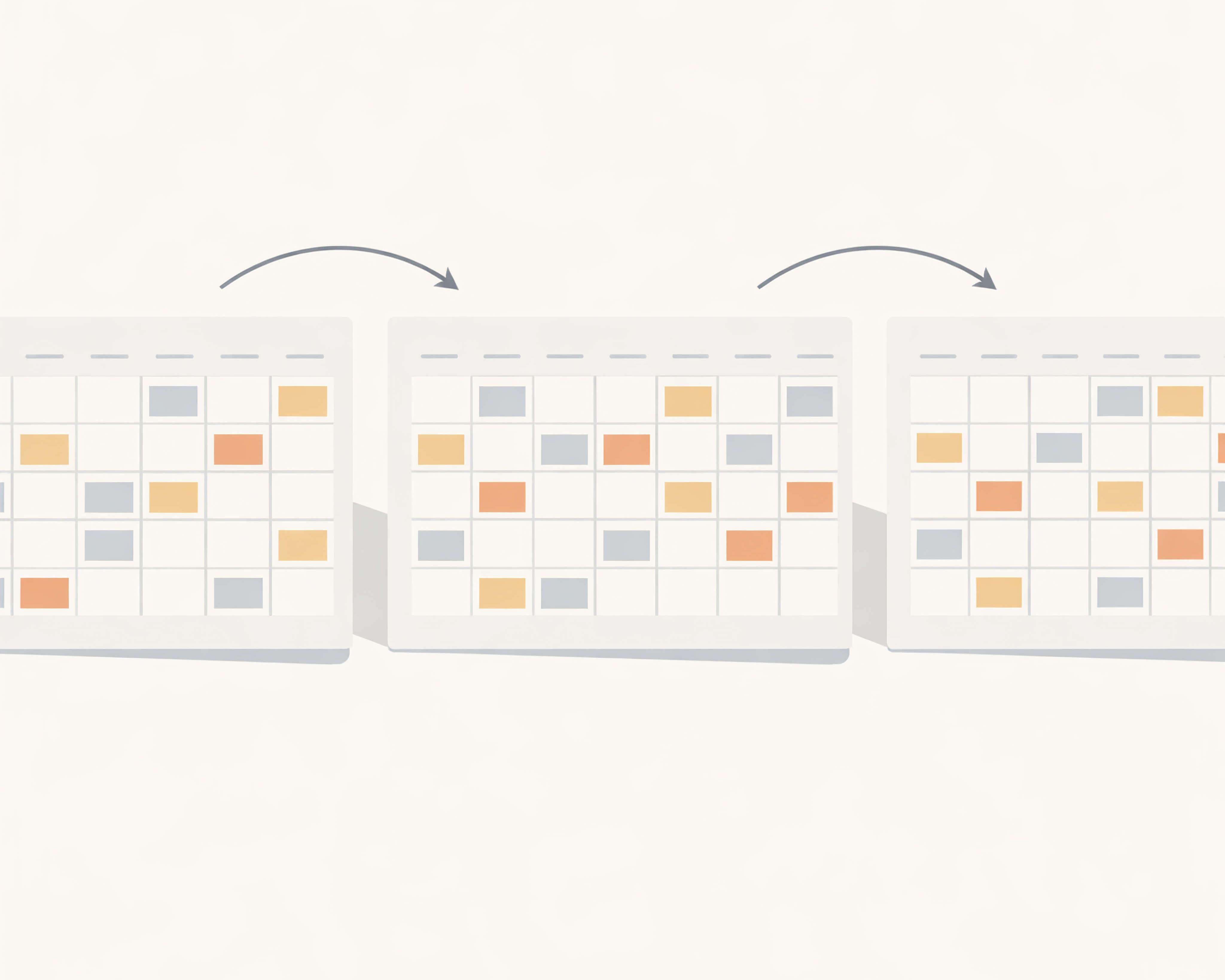
After that, it’s time to build your editorial calendar. Break down the content topics into a three-month timeline, planning for various formats like blog posts, infographics, and videos. Each piece should have publication dates and distribution channels outlined. For example, consider a brand that aimed to launch a seasonal campaign: they scheduled blog posts weekly, supplemented with social media teasers, ensuring each content piece complemented the others. Finally, review and adjust weekly to stay on track and responsive to performance metrics.
Research and Audience Analysis
Understanding your audience is the cornerstone of effective content marketing. By investing time in researching your audience, you can identify their needs, preferences, and pain points, which enables you to create content that genuinely resonates. Content segmentation further enhances this approach by dividing your audience into distinct groups based on shared characteristics, allowing for more tailored messaging.
Market data shows that personalized content leads to significantly higher consumer engagement rates, with tailored messages generating up to a 200% increase in click-through rates compared to generic content. This key insight underscores the importance of rigorous audience analysis as part of your content targeting strategy. By connecting with your audience at a deeper level, you cultivate loyalty and drive more meaningful interactions over the next 90 days.
Developing Content Ideas
Generating compelling content ideas is essential for effective content creation. Start by brainstorming with your team; leveraging diverse perspectives can yield fresh insights. Utilize content curation strategies to explore trending topics and popular themes in your niche. Content discovery and aggregation tools can help you identify what resonates with your audience by surfacing high-performing content across platforms.
Consider engaging in social listening using social media monitoring tools to identify conversations relevant to your goals. This approach not only inspires original content but also ensures you’re addressing your audience's current interests. By combining brainstorming sessions and content curation techniques, you can develop a robust pool of content ideas that will guide your content marketing strategy over the next 90 days.
Structuring the Content Calendar
To effectively structure your content calendar, begin by aligning your content strategy with business objectives. A well-designed editorial calendar facilitates content governance by ensuring that every piece serves a specific purpose, whether it’s increasing brand awareness or driving conversions within your content marketing strategy. Start by identifying key business goals and outline corresponding content themes for each month within the next 90 days.
For example, a fitness brand might plan to promote a new workout program. The content calendar could include a weekly blog post featuring workouts, social media snippets for daily inspiration, and video tutorials that coincide with the program launch. This synchronized approach maximizes impact, keeps your audience engaged, and ensures consistent messaging across all platforms.
Content Distribution and Promotion Strategies
Effective content distribution and promotion are crucial for amplifying your message and driving engagement. Start by identifying the right channels for content distribution; social media platforms like Facebook, Instagram, and LinkedIn can be powerful allies, with research indicating that 54% of users utilize social media to research products. Email marketing remains a strong contender, boasting a median ROI of $42 for every $1 spent. Using your blog and website as central hubs can help direct traffic through search engine optimization (SEO) and inbound links.
When considering content promotion, utilize paid advertising options such as Google Ads or social media ads for targeted reach. Collaborating with influencers can also expand your audience, as 49% of consumers rely on recommendations from influencers when making purchase decisions. Don’t forget to engage with your community through comments and shares, fostering a two-way conversation that can enhance loyalty and brand visibility.
Social Media Promotion
Leveraging social media effectively can significantly amplify your content engagement. Start by selecting the right platforms based on your target audience’s preferences. For instance, studies show that video content on platforms like TikTok and Instagram can generate up to 67% higher engagement rates compared to static posts. Facebook remains vital for content targeting and community-building, offering an average engagement rate of around 0.08%, while LinkedIn is ideal for B2B connections with higher professional engagement.
To maximize your impact, tailor your posts for each platform. Use eye-catching visuals and compelling captions that resonate with users. Utilize social media analytics to track which types of content perform best and adjust your strategy accordingly. By understanding where your audience spends their time, you can refine your content promotion efforts to enhance overall engagement and drive meaningful interactions.
Email Marketing for Content Promotion
Email marketing remains a cornerstone of effective content promotion, enabling you to directly reach your audience and boost content performance within your content marketing strategy. In fact, industry statistics reveal that email has an average open rate of 21.33%, making it a reliable channel for engagement. By crafting compelling subject lines and personalized content, you can significantly increase your readership and interaction rates.
Incorporating targeted email campaigns into your content roadmap can enhance your overall strategy. Use content metrics to track the success of each email, such as click-through rates and conversions, to refine your approach continuously. Segmenting your audience allows for tailored messages, ensuring that subscribers receive content that resonates with them. As you promote your high-impact content, remember that a strategic email marketing plan can lead to improved engagement and ultimately, higher returns on your content efforts.

Measuring Success: Content Metrics and ROI
To evaluate the effectiveness of your content, it's essential to identify key performance indicators (KPIs) that align with your goals. For content metrics, consider tracking engagement rates, such as page views, time on page, and social shares. These metrics help you gauge how well your audience is connecting with your content within your content marketing strategy. Additionally, conversion rates are critical for calculating content ROI, indicating how many visitors are taking desired actions, such as signing up for newsletters or making purchases.
Utilizing tools like Google Analytics can provide valuable insights into these metrics, allowing for real-time tracking and analysis. Social media analytics platforms, such as Sprout Social or Hootsuite, can further enhance your understanding of content performance across different channels. By consistently monitoring these KPIs, you can fine-tune your content strategy for maximum impact.
Analyzing Content Performance Metrics
To effectively analyze content performance metrics, start by identifying key indicators, such as engagement rates, conversion rates, and traffic sources. Utilize tools like Google Analytics to gather data and identify trends in your content analysis. Look for patterns that reveal where your content shines and where it falls short. Common pitfalls include a lack of clear calls to action (CTAs) and insufficient audience targeting.
Once you've pinpointed areas for improvement, move on to content optimization. For instance, refine underperforming posts by enhancing headlines, incorporating relevant keywords, and ensuring visuals are engaging. Regularly review performance metrics to make data-driven adjustments, ensuring your content consistently resonates with your audience. This iterative process can significantly elevate your content strategy over the next 90 days.
Content Repurposing and Future Planning
Content repurposing is an effective strategy for maximizing your content's reach and longevity, allowing you to connect with different audience segments across various platforms. By transforming existing blog posts into infographics, videos, or podcasts, you not only save time but also reinforce your brand's messaging. For instance, a company that creates a whitepaper can distill key insights into a series of engaging social media posts, driving traffic back to the original content.
Integrating content repurposing into your content workflow ensures a seamless transition from one content format to another. Begin by scheduling regular reviews of past content to identify valuable pieces that can be refreshed or reimagined. Companies like HubSpot and Buffer have successfully elevated their visibility by consistently repurposing high-performing content, ultimately enhancing their overall strategy and engagement.
Conclusion
A 90-day content roadmap transforms content marketing from a reactive task into a strategic discipline. By defining clear goals, timelines, and performance metrics, you create a system that keeps your content focused, consistent, and aligned with business priorities. Instead of chasing ideas week to week, your team operates with direction and purpose.
The true value of a content roadmap isn’t just organization—it’s momentum. When research, planning, distribution, and measurement work together, content becomes easier to execute and easier to improve. Over time, this structured approach compounds results and creates a foundation for long-term growth.
As you plan your next 90 days, focus on building a roadmap that balances structure with flexibility. The more intentional your planning, the more predictable—and impactful—your content outcomes will become.
Frequently Asked Questions
Sources
- USAFacts, 2025. https://usafacts.org/state-of-the-union/
- Deloitte Insights, 2025. https://www.deloitte.com/us/en/insights/topics/economy/global-economic-outlook/weekly-update/weekly-update-2025-06.html
- U.S. Census Bureau, 2023. https://www.census.gov/newsroom/stories/2023/12/happy-new-year-2024.html