
Search Intent Explained: How to Write Content That Google Actually Wants to Rank
Search intent is the underlying motivation behind a user's query, aiming to uncover what users truly seek when they enter specific keywords into search engines like Google. Understanding search intent is crucial for content creation, as it allows marketers and writers to align their content with user needs, thereby improving search engine rankings and enhancing user satisfaction. According to a recent study by Search Engine Journal, 70% of marketers emphasize that understanding user search behavior is key to successful SEO strategies. For instance, a user searching for "best running shoes" likely intends to find product reviews or comparisons, whereas someone typing "how to tie running shoes" is looking for instructional content. Recognizing these nuances allows content creators to deliver more relevant and valuable information, improving their chances of ranking higher in search results.

Types of Search Intent
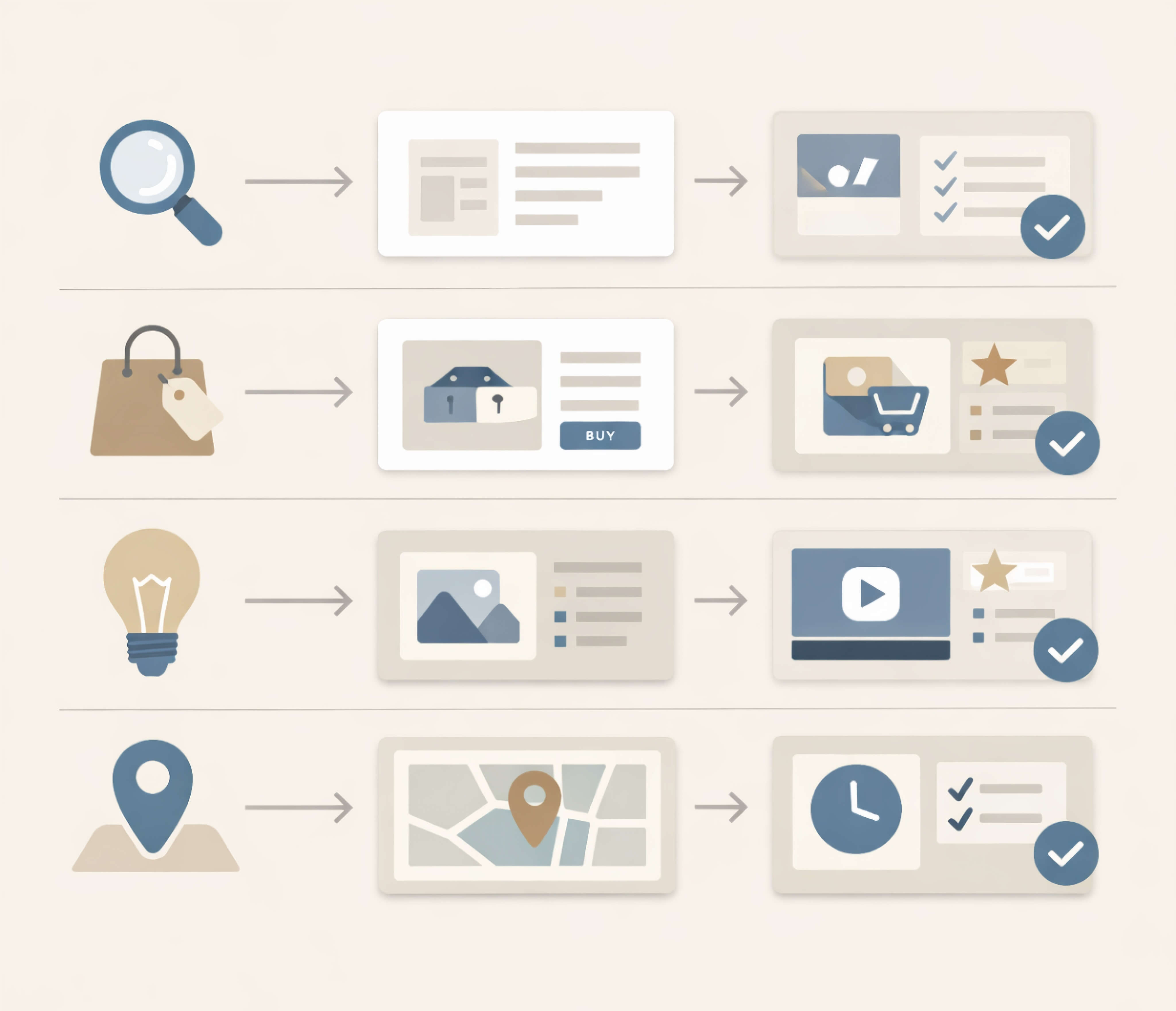
Understanding the different types of search intent is crucial for creating intent-driven content that resonates with your audience. The four main types of search intent are:
- Informational: This intent seeks to answer a question or provide information on a specific topic. For example, someone searching for "how to tie a tie" is looking for instructions rather than a product or service.
- Navigational: Users with navigational intent are trying to locate a specific website or page. An example is someone typing "Facebook login," aiming to access the Facebook site directly.
- Transactional: This type reflects a strong intention to make a purchase. For instance, searching "buy running shoes online" indicates that the user is ready to purchase a product.
- Commercial Investigation: Users with this intent are comparing products, looking for reviews before making a decision. For example, someone searching "best smartphones 2023" is likely looking to evaluate options before a transaction.
By identifying these types of search intent, content creators can tailor their strategies to meet user needs and improve rankings on Google.

Analyzing User Search Behavior
Understanding user search behavior is pivotal for creating content that resonates with audiences and satisfies search engine algorithms. By analyzing search behavior patterns, we can tailor our content to meet the intent behind user queries. Data shows that 90% of online experiences begin with a search engine, emphasizing the importance of aligning content with user needs.
Moreover, recent studies reveal that 74% of users are more likely to click on a result that matches their search intent. This highlights that not only does understanding user search behavior increase engagement, but it also significantly boosts organic traffic. Different search intents—informational, navigational, and transactional—carry distinct expectations. For instance, users seeking answers are five times more likely to engage with content that directly addresses their queries.
Ultimately, recognizing and adapting to these search behavior patterns allows content creators to craft material that not only ranks well but also meets the real needs of users, resulting in higher satisfaction and retention rates.
Content Optimization Strategies for Search Intent
To effectively align your content with search intent, implementing specific content optimization strategies is essential. Start by conducting thorough keyword research using tools like Google Keyword Planner or SEMrush to uncover the specific phrases users are searching for. Next, analyze search results for these keywords to gauge users' intent—whether informational, navigational, or transactional.
Once you've identified the intent, tailor your content accordingly. For example, if the search intent is informational, create in-depth articles that answer common questions, provide guides, and include visuals for better understanding. Use SEO content alignment techniques by incorporating related keywords and phrases throughout your content. This not only improves relevance but also enhances readability.
Finally, partner your optimization efforts with user-focused tools such as Yoast SEO to help ensure your content meets SEO best practices. Regularly update your content based on performance metrics and evolving search trends, ensuring ongoing alignment with user intent.
Intent-Based Content Creation
Intent-based content creation is essential for aligning your narrative with what users genuinely seek. To start, analyze search queries related to your topic. Utilize tools like Google Keyword Planner to discover common phrases and questions that indicate search intent. Categorize the intent into four main types: informational, navigational, transactional, and commercial. For instance, if someone searches for “how to make sourdough bread,” it demonstrates an informational intent, implying they seek detailed guidance.
In crafting your content, address these intents specifically. For example, a blog post titled “The Ultimate Guide to Sourdough Bread: Step-by-Step Instructions” effectively meets this need with comprehensive instructions and tips. Ensure your content is optimized through SEO keyword targeting, incorporating relevant keywords throughout headings, subheadings, and the body. Another example is a product review site where visitors look for comparative insights—creating in-depth reviews that highlight benefits and comparisons serves both commercial intent and SEO goals. By understanding and responding to search intent, you elevate both user satisfaction and your chances of ranking higher on Google.
Utilizing Search Query Analysis
Utilizing search query analysis is essential for creating content that resonates with your audience and satisfies their needs. By examining what users type into search engines, you can uncover the core motivations behind their searches—what they are really looking for. This process, known as search intent analysis, helps you align your content more closely with user expectations, making it more likely to rank well in search results.
Several search intent analysis tools can facilitate this evaluation. For instance, Google’s Keyword Planner offers insights into search volume and related queries. Platforms like SEMrush can also surface competitive search patterns and highlight content opportunities. Another useful resource, AnswerThePublic, visualizes searches to reveal common questions and themes based on specific keywords.
Assessing Content Performance Metrics
To effectively evaluate how well your content aligns with search intent, it's crucial to focus on key content performance metrics. These metrics provide insights into how users are interacting with your content and whether it meets their needs. Key performance indicators include:
- Click-Through Rate (CTR): A high CTR indicates that your title and meta description are appealing to users, hinting at relevance to their queries.
- Bounce Rate: A low bounce rate suggests that users are finding valuable information on your page, while a high rate can imply a mismatch between expectations and content.
- Time on Page: Longer durations can denote strong user engagement signals, indicating that users are consuming and appreciating your content.
- Conversion Rate: If your content aims to drive specific actions, tracking conversions will show if users are satisfied enough to take those next steps.
By analyzing these metrics, you can refine your content strategy, improving its alignment with user intent and enhancing overall effectiveness.
Refining Content Strategy for Better Alignment
To achieve effective content strategy refinement, it’s essential to analyze user intent thoroughly. Start by conducting a comprehensive SEO content audit to identify existing content gaps and opportunities. Review your top-performing pages alongside those that underperform to understand how well they align with user needs.
Here are some actionable tips for iterating on your content strategy:
- Keyword Analysis: Use tools like Google Analytics or SEMrush to discover what keywords are driving traffic. Focus on long-tail keywords that reflect specific user queries.
- User Feedback: Engage with your audience through surveys or social media to gather insights on their preferences and pain points.
- Content Updates: Regularly refresh older posts with updated statistics, improved visuals, or new insights to maintain relevance.
- Content Gaps: Identify topics that are not covered but are frequently searched for, and fill these gaps with high-quality, user-centric content.
By refining your content strategy with these steps, you can create more aligned and valuable content that resonates with your audience and improves your search rankings.
Conclusion
In conclusion, understanding search intent is crucial for crafting effective content that resonates with users and ranks well on Google. By identifying whether the intent is informational, navigational, commercial, or transactional, you can tailor your writing to meet your audience's specific needs. Incorporating key elements of SEO content best practices, such as optimizing for relevant keywords and structuring content in a user-friendly manner, will further enhance your chances of ranking higher in search results.
Start implementing these strategies in your content creation process today. Pay attention to the nuances of search intent and adjust your approach accordingly—this will not only boost your organic traffic but also establish your authority in your niche. We encourage you to share your experiences or thoughts on this topic in the comments below, or connect with us on social media. Together, let’s explore the ever-evolving landscape of search and content creation!
Frequently Asked Questions
Sources
- USAFacts, 2025. https://usafacts.org/state-of-the-union/
- Deloitte Insights, 2025. https://www.deloitte.com/us/en/insights/topics/economy/global-economic-outlook/weekly-update/weekly-update-2025-06.html
- Pew Research Center, 2025. https://www.pewresearch.org/short-reads/2025/12/09/striking-findings-from-2025/